Market Context
Oman in a Changing Middle East: Sustainability, Stability and What Property Buyers Should Know in 2026
International buyers looking at the Gulf increasingly weigh more than property prices. This guide sets out how Oman fits into the wider regional picture in 2026 — development strategy, sustainability, Muscat and Salalah — so you can compare before buying.
Quick answers · AI-ready
Can foreigners buy property in Oman?
Foreign buyers may be able to buy property in selected approved projects and communities, subject to applicable regulations, ownership structure and project eligibility.
Can I start the Oman property search remotely?
Yes. International buyers can start by comparing areas, project types and budget ranges remotely before travelling or making a reservation decision.
Should I buy immediately during regional uncertainty?
Not necessarily. Buyers can use this period to monitor the market, compare areas, confirm availability and request a private shortlist without rushing into a purchase.
How does Oman Property Advisor help?
Oman Property Advisor helps buyers compare locations, property types and selected projects, then prepares a focused private shortlist before broker follow-up.
General information only. Prices, availability, ownership terms, payment plans and residency-related rules must be confirmed before making any decision.
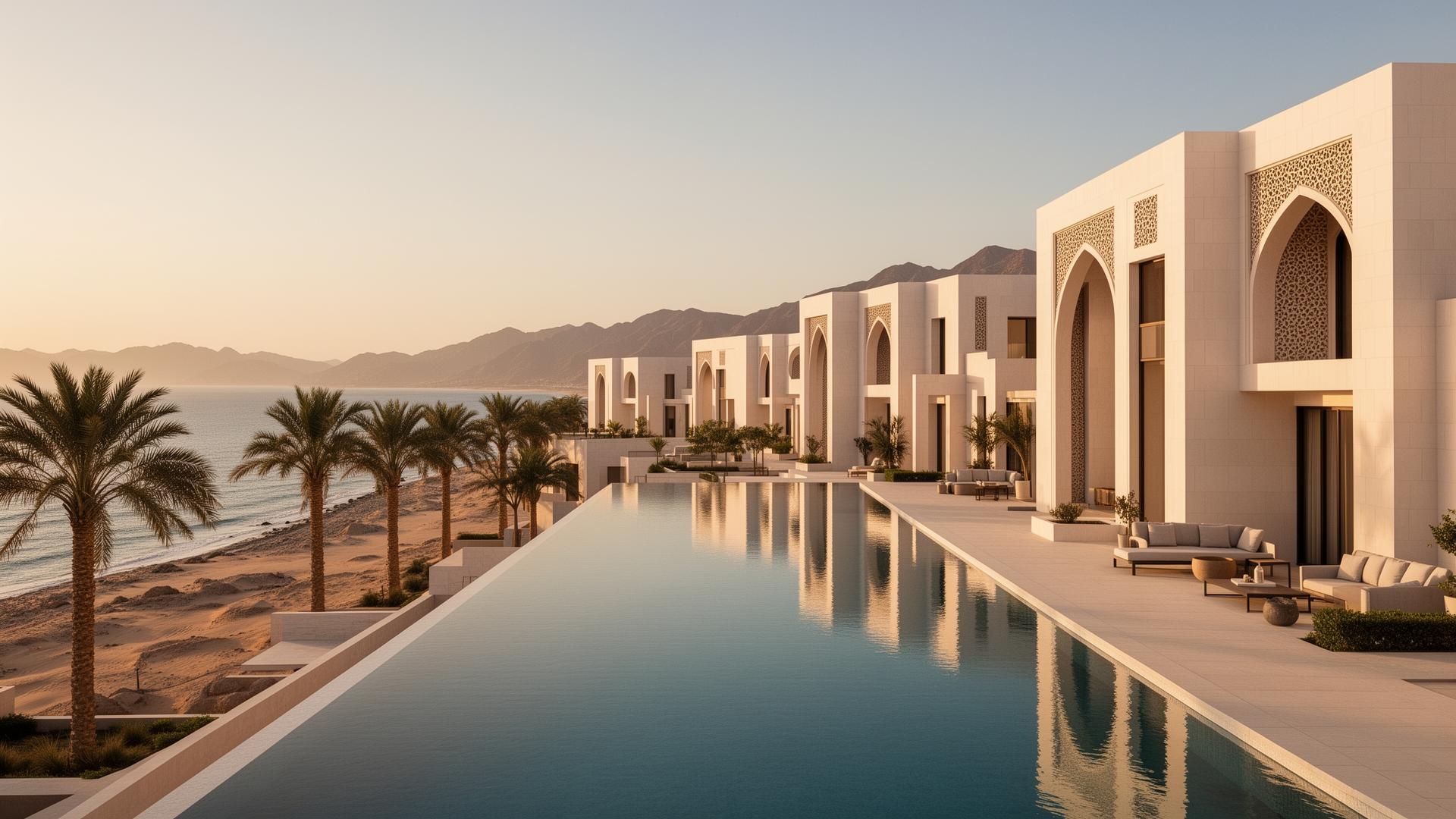
Buyers researching the Gulf rarely start with a single listing. They start with the wider context: the geopolitical environment, economic diversification, infrastructure, sustainability, tourism, lifestyle, foreign ownership rules and long-term development strategy. Oman is one GCC market worth understanding within that context — and it is often reviewed later than Dubai or Abu Dhabi simply because it markets itself less.
Oman in a Changing Middle East
Fact: the Middle East is a region where aviation routings, shipping lanes, tourism flows and construction supply chains are periodically affected by wider events. Oman sits on the Arabian Sea coastline, with Muscat in the north and Salalah in the southern Dhofar governorate.
Analysis: regional developments can influence aviation schedules, shipping and logistics, tourism sentiment, construction costs and investor confidence. These effects are usually cyclical rather than permanent, and they are felt differently across markets.
Property implication: short-term headlines are a poor basis for a long-term property decision. Buyers generally get better outcomes by assessing developer track record, delivery status, payment structure, running costs and realistic exit options — and by monitoring a market before committing funds. Oman offers a different proposition within the GCC, and international buyers should evaluate regional conditions alongside property fundamentals before making a decision.
Beyond Headlines: Oman's Long-Term Development
Oman's published national strategy, Oman Vision 2040, sets out long-term priorities including economic diversification beyond hydrocarbons, tourism, logistics, infrastructure, renewable energy, sustainability and urban development. Investment promotion activity is published by Invest Oman, and national statistics are published by the National Centre for Statistics and Information.
These are stated directions of travel, not guarantees of property performance. Programme scope, timelines and delivery can change. For buyers, the practical value is in understanding where public investment and tourism attention are directed — Muscat and Dhofar are the two clearest examples — and then assessing individual projects on their own merits.
Why Sustainability Matters for Oman's Future
Environmental considerations are not a marketing add-on in a desert and coastal country. Water availability, coastal management, energy efficiency, waste handling and careful urban planning affect tourism appeal, quality of life, running costs and how attractive a destination remains over a 10–20 year ownership horizon.
Oman has stated sustainability and renewable energy ambitions as part of its long-term strategy, and some developments position themselves around low-impact or sustainable design. That does not mean every Oman project is sustainable. Buyers who care about this should ask specific questions: energy and cooling design, water strategy, landscaping and irrigation, waste management, and how service charges reflect those systems.
Why Salalah Is Different From Much of the Gulf
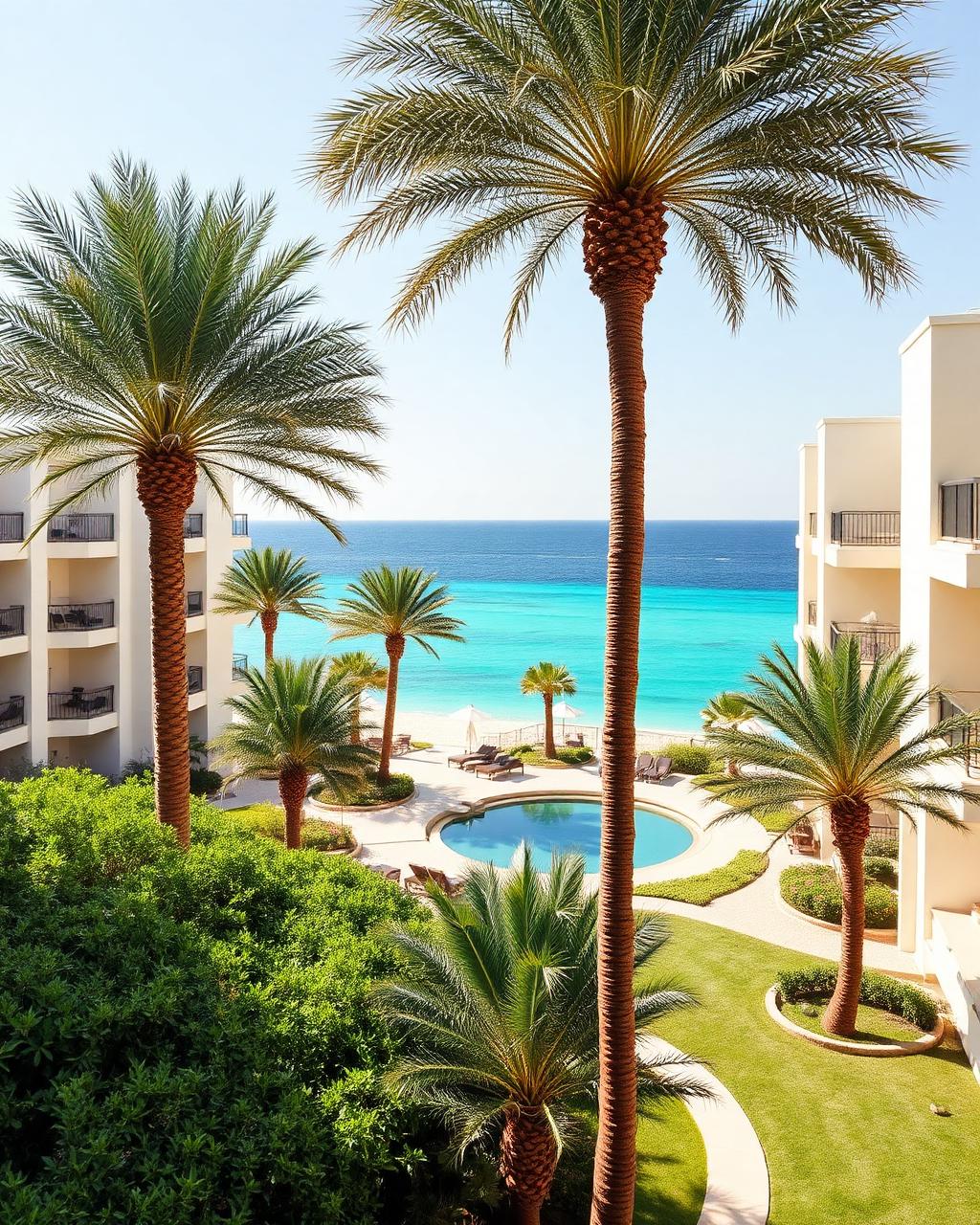
Salalah, in the Dhofar governorate, is the clearest example of how different Oman can be from the Gulf stereotype. During Khareef — the seasonal monsoon that typically runs through the summer months — the surrounding hills turn green, waterfalls appear and temperatures stay comparatively mild. It draws domestic and GCC visitors at the exact time when much of the region is at its hottest.
Outside Khareef, Salalah is a long coastline with beaches, coconut plantations, frankincense heritage and a slower pace. Resort-style developments and second-home buyers are drawn by the nature and the seasonality rather than by urban density.
Salalah Property
The main foreign-buyer focus in Dhofar is the Hawana Salalah integrated tourism development, which includes apartments, marina-facing units and resort residences. Availability, unit mix and pricing change over time and should be confirmed at the point of enquiry.
Muscat: Capital, Infrastructure and Long-Term Living
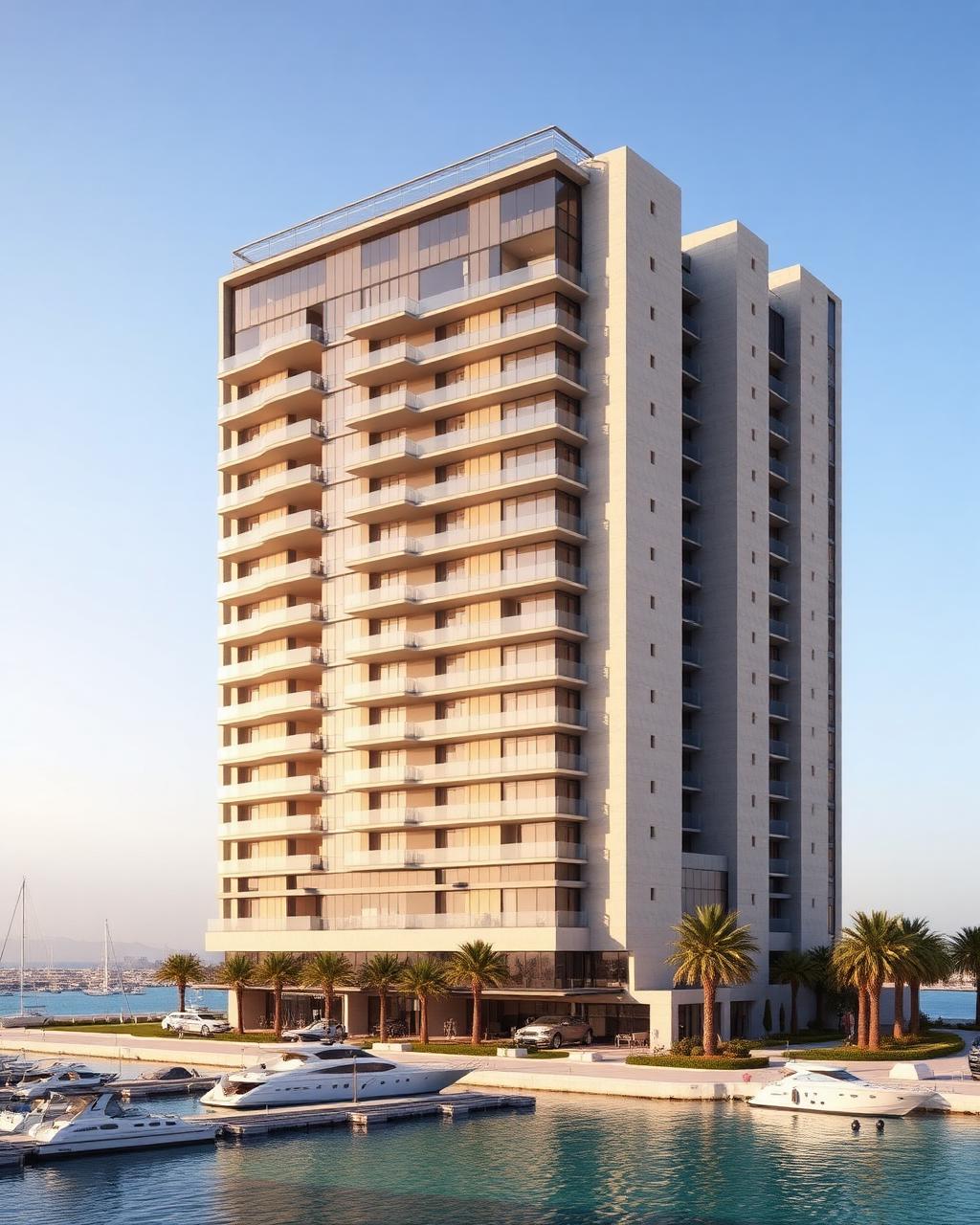
Muscat is where business, government, international schools, healthcare and the largest expatriate community are concentrated. Muscat International Airport provides the main long-haul and regional connectivity, and the capital's residential supply is the most established in the country.
For international buyers, Muscat usually suits year-round living, longer stays and business-linked ownership. The main foreign-ownership focus areas include Al Mouj (marina and golf-led waterfront community), Muscat Bay (low-density coastal setting) and Yiti (newer coastal development area southeast of the city).
Muscat or Salalah?
| Consideration | Muscat | Salalah |
|---|---|---|
| Lifestyle | Capital city, year-round living | Coastal, seasonal, slower pace |
| Property type | Apartments, townhouses, villas | Resort apartments and residences |
| Tourism | Steady, business plus leisure | Strongly seasonal around Khareef |
| Personal use | Suited to full-time or frequent stays | Suited to holiday and seasonal use |
| Rental considerations | Longer-term tenant pool | Short-let demand varies by season |
| Accessibility | Main international airport hub | Regional and seasonal connections |
| Environment | Mountains and urban coastline | Green Khareef season, beaches |
| Buyer profile | Relocators, business-linked buyers | Second-home and lifestyle buyers |
There is no universal winner. The right choice depends on how often you will use the property, whether rental income matters, and how you value seasonality.
Oman vs Dubai: Two Different GCC Property Markets
Most international buyers arrive at Oman after looking at Dubai, so the comparison is natural. Dubai is a large, mature, highly liquid market with deep inventory, high density in prime districts and a well-established resale and short-let ecosystem. Oman is smaller and less saturated, with fewer projects, lower density and a more personal buying process.
Neither is better in the abstract. Dubai typically suits buyers prioritising liquidity, transaction volume and an established rental market. Oman typically suits buyers prioritising space, coastline, quieter communities and longer-term personal use. Payment plans exist in both markets but structures and developer terms differ.
Can Foreigners Buy Property in Oman?
Foreign buyers may purchase in designated projects and integrated tourism developments, subject to the specific project, ownership structure and applicable regulations. Some purchases may be linked to residency programmes, but eligibility and thresholds are set by the authorities and can change. This article is not legal advice — confirm current requirements with qualified professionals before committing funds.
Oman Off-Plan Property and Payment Plans
Selected off-plan developments may offer staged payment structures — typically a reservation amount, a down payment, construction-linked instalments and a balance at handover. Terms vary by developer and project, and are not a form of financing or a guarantee of future value. Review the payment schedule, escrow arrangements and delivery commitments alongside the price.
Buying Property in Oman From Abroad
Oman attracts interest from buyers across many international markets, and the practical steps — eligibility checks, remote comparison, documentation and transfers — differ by country of residence. These existing guides cover the most common routes:
- Buying Property in Oman from Pakistan
- Buying property in Oman from India
- Buying property in Oman from the UK
- Buying property in Oman from the UAE
- Buying property in Oman from Saudi Arabia
- Buying property in Oman from the USA
What Should You Check Before Buying Oman Property?
- Foreign ownership eligibility for the specific project and unit
- Developer track record, delivery history and financial standing
- Project location, access, surroundings and planned neighbouring development
- Construction status, handover date and what happens if it slips
- Payment plan structure, escrow arrangements and instalment triggers
- Service charges and how they are calculated and reviewed
- Total acquisition costs including fees, registration and furnishing
- Rental assumptions — seasonality, management costs and realistic occupancy
- Exit strategy: resale conditions, transfer rules and likely buyer pool
- Residency eligibility, if relevant, confirmed with the authorities
- Legal documentation reviewed by an independent qualified adviser
- Regional conditions and how they could affect timelines or travel
This checklist is for guidance only. Buyers should obtain qualified legal, tax and financial advice where appropriate.
Explore Oman Property
Muscat
Al Mouj Muscat
View area →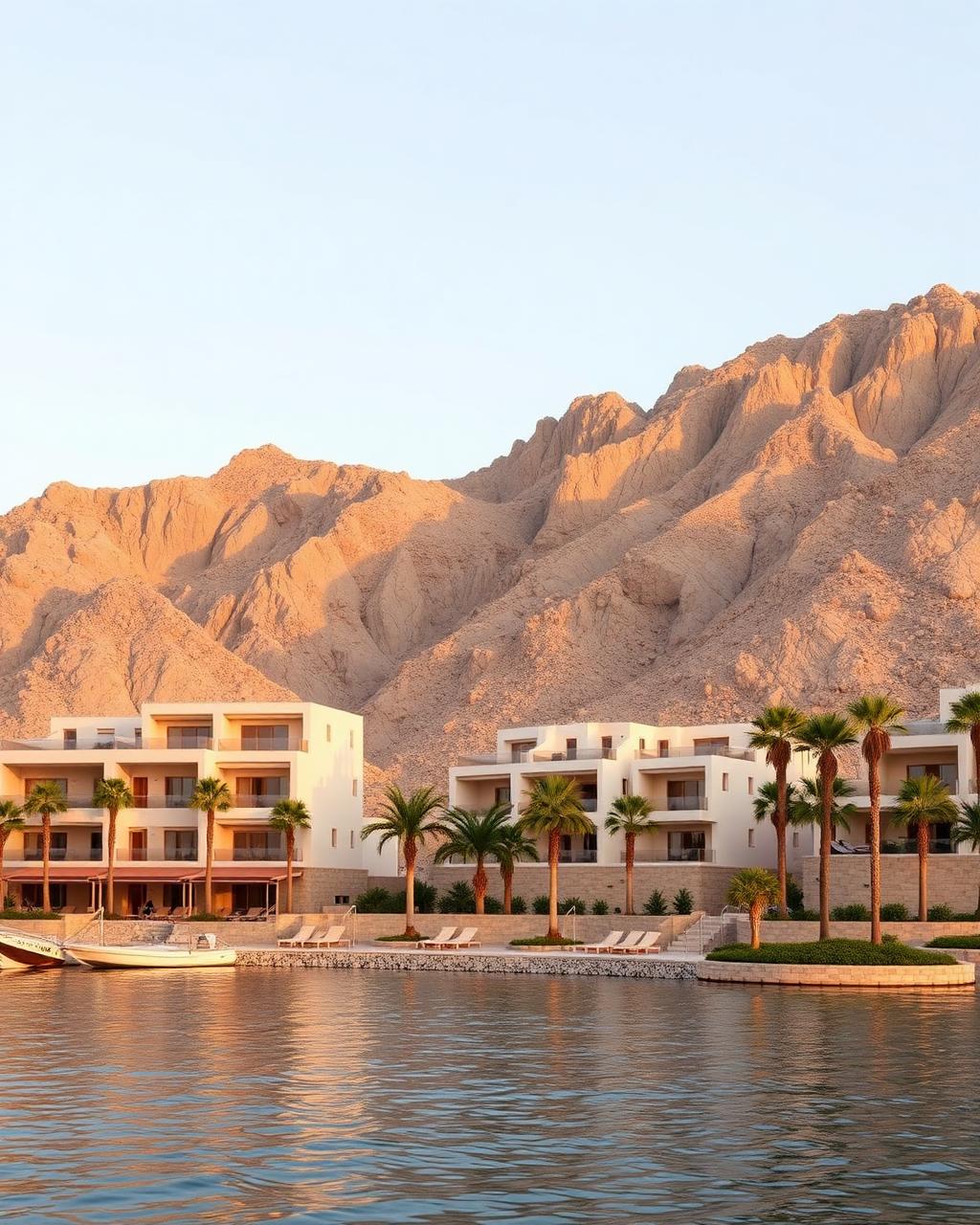
Muscat
Muscat Bay
View area →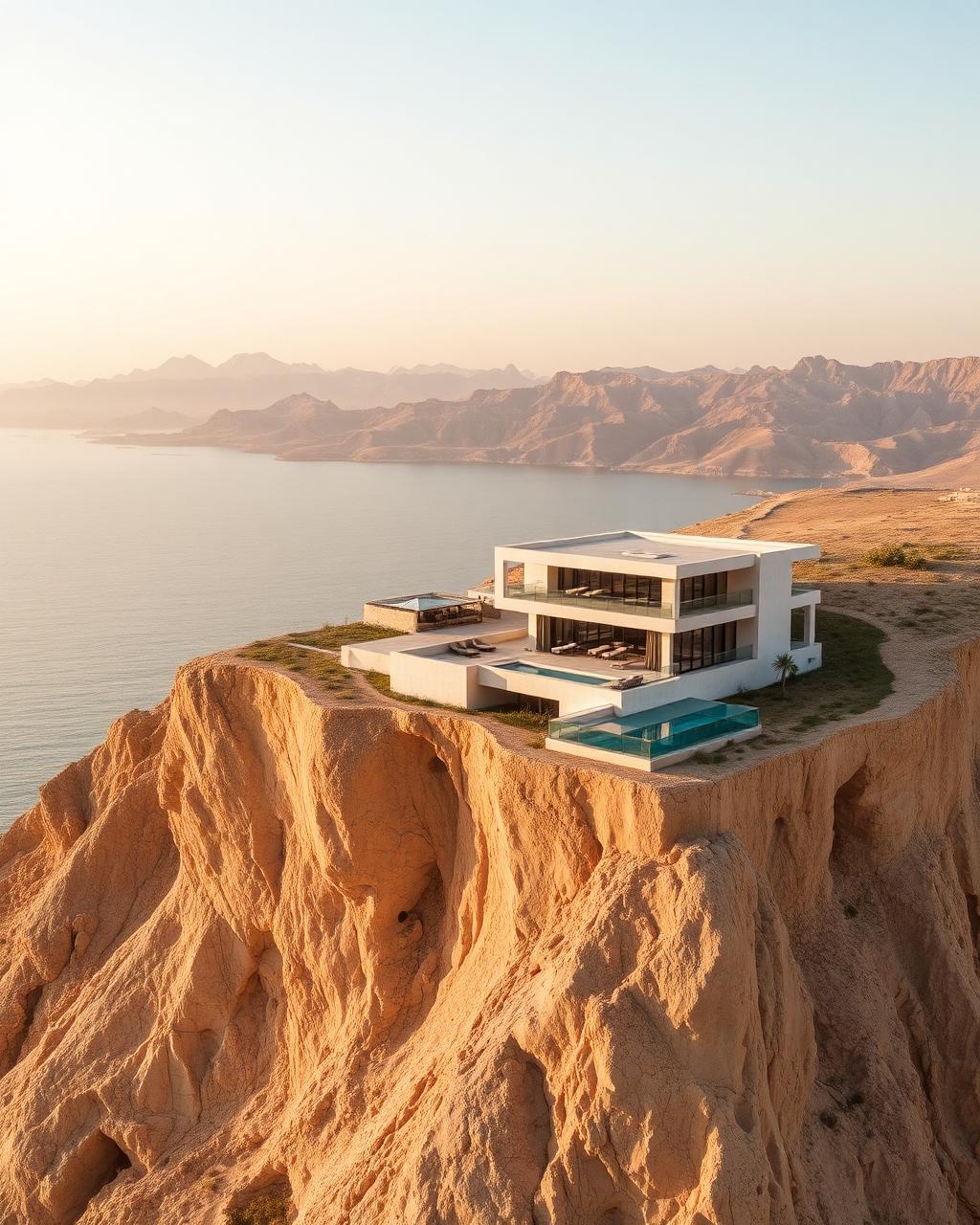
Muscat
Yiti
View area →Salalah
Hawana Salalah
View area →Availability, unit mix and pricing change over time and are confirmed at the point of enquiry.
Frequently asked questions
Is Oman a good place to buy property in 2026?
That depends on the buyer's objectives. Oman offers a different proposition within the GCC — lower density, coastal and mountain settings and a smaller inventory than Dubai. Buyers should evaluate regional conditions alongside property fundamentals such as developer track record, location, payment terms and total acquisition costs before making a decision.
Can foreigners buy property in Oman?
Foreign buyers may purchase in designated projects and integrated tourism developments, subject to the project, ownership structure and applicable regulations. Eligibility should be confirmed for each specific project before reservation.
How do regional developments affect Oman property?
Regional developments can influence aviation, shipping, tourism sentiment, logistics, construction costs and investor confidence. These factors can affect timelines and pricing, which is why property decisions are usually based on long-term fundamentals rather than short-term headlines.
Is Salalah or Muscat better for international buyers?
Neither is universally better. Muscat suits buyers prioritising business access, infrastructure, schools and year-round living. Salalah suits buyers prioritising seasonal nature, coastline and resort-style use. Buyer profile and intended use should guide the comparison.
Does buying property in Oman provide residency?
Some property purchases may be linked to residency programmes, but eligibility, thresholds and conditions are set by the authorities and can change. Buyers should confirm current requirements with qualified advisers and the relevant authorities.
What sustainability factors matter for Oman property?
Water use, coastal management, energy efficiency, urban planning and infrastructure quality can affect long-term destination attractiveness and running costs. Not every Oman project is sustainable — buyers should review each development on its own merits.
Sources & Methodology
This article summarises publicly available information in original wording. Long-term development themes are based on Oman's published national strategy and official sources; no statistics are reproduced beyond what those sources state. Regional commentary is general and non-predictive.
- Oman Vision 2040 (official)
- Invest Oman
- National Centre for Statistics and Information
- Ministry of Heritage and Tourism, Oman
Last reviewed: 21 August 2026
This article is for general information only and does not constitute legal, tax, financial or investment advice. Buyers should confirm current requirements with qualified professionals, developers and relevant Omani authorities before committing funds.
More Oman Property Insights
- Can Foreigners Buy Property in Oman?
- Best Areas to Buy Property in Muscat
- Oman Off-Plan Property Payment Plans Explained
- Buying Property in Oman During Regional Uncertainty
- Is Oman a Good Alternative to Dubai for Property Buyers?
- What Foreign Buyers Should Check Before Buying Property in Oman
- Oman Property Watchlist: How to Monitor Projects Before Buying
- Oman Property Deals for Indian Buyers: What to Check Before You Decide
- Remote Property Search in Oman for International Buyers
- Buying Property in Oman from the UK: What to Check